

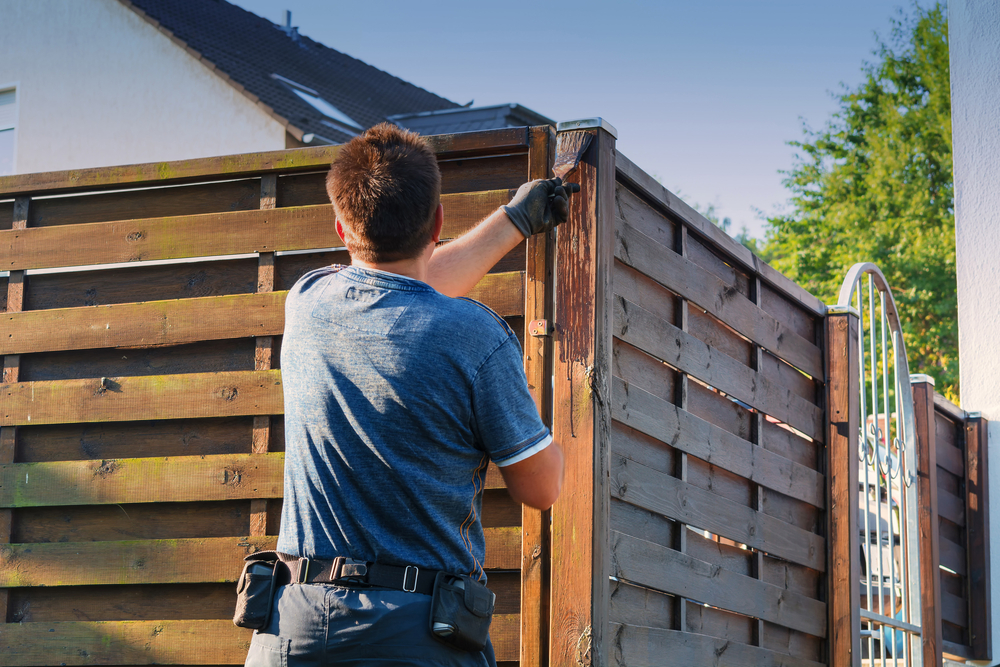
A fence in New Braunfels has to handle intense Texas sun, seasonal storms, changing moisture levels, and the occasional hard freeze. Over time, those conditions can turn a fence that needs a few repairs into one that is no longer practical to keep patching.
If damage is widespread, posts are unstable, boards repeatedly fail, or the fence no longer provides reliable security and privacy, fence replacement may be the better long-term option. The key is knowing which problems are isolated and which indicate the fence as a whole is reaching the end of its useful life.
What local property owners should know
-
Multiple leaning or loose sections often point to a larger structural problem rather than a single damaged board.
-
Strong sun and heat in Central Texas can contribute to drying, fading, warping, and deterioration of exposed fencing materials.
-
Storms around Comal County can expose weaknesses in posts, panels, gates, and hardware.
-
A few damaged pickets may be repairable, while widespread deterioration usually deserves a closer evaluation.
-
Replacement gives property owners an opportunity to reconsider privacy, security, gate placement, materials, and overall fence design.
Why Fence Condition Matters in New Braunfels
Fence condition matters in New Braunfels because local weather can repeatedly stress posts, boards, panels, gates, and fasteners. A fence that has already weakened may become increasingly difficult to maintain as it goes through hot summers, heavy rain, thunderstorms, wind, and changing ground conditions.
Properties near Gruene, Landa Park, the Guadalupe River, the Comal River, and growing neighborhoods along the I-35 corridor can vary considerably in lot layout and fencing needs. Some homeowners primarily need backyard privacy, while others are concerned with pets, pools, gates, property boundaries, or street-facing appearance.
Shelton’s Outback Fence Co. helps area property owners evaluate fencing needs and explore appropriate solutions. When we look at an aging fence, the goal is to understand whether targeted repairs still make sense or whether replacement offers the more practical path forward.
Local Data or Field Observations
Local fence wear is best evaluated by looking at the entire fence system rather than focusing on its worst-looking board. Without project-specific data provided for this article, these observations should be treated as practical fencing considerations rather than claims about a particular property or neighborhood.
Sun exposure can affect one side of a property more severely than another. Drainage can also create localized trouble around posts. Gates may begin dragging or failing to latch as posts shift or hardware wears.
This is why an on-site evaluation can be useful. The visible problem may be only one part of a larger pattern.
How a Failing Fence Can Affect Your Property
A failing fence can reduce privacy, security, usability, and curb appeal while creating recurring repair needs. For local homeowners, a loose panel or unstable post may also make it harder to keep children or pets safely contained within a yard.
A deteriorating fence can become especially frustrating when individual repairs no longer last. Replacing one section this month and another a few months later may indicate that deterioration is spread throughout the structure.
For businesses and rental properties, appearance and reliable access can matter as well. A sagging gate or damaged perimeter can interfere with everyday use of the property.
7 Signs Your Fence May Need Replacement
The strongest signs that a fence may need replacement are widespread structural instability, recurring failures, extensive deterioration, and loss of its basic function. One problem does not automatically mean the entire fence is finished, but several problems appearing together deserve attention.
-
Multiple posts are leaning or loose. One damaged post can often be addressed individually. Movement across several posts suggests a broader structural concern.
-
Large sections are warped or leaning. A fence line that no longer stays reasonably straight may have problems involving posts, rails, panels, or multiple components.
-
Wood deterioration is widespread. Isolated board damage differs from deterioration affecting many pickets, rails, or posts.
-
Repairs are becoming frequent. If another section seems to fail shortly after each repair, replacement may be more practical than continuing to patch the fence.
-
The gate no longer works reliably. Persistent sagging, dragging, misalignment, or latch problems can indicate wear in the gate, hinges, posts, or surrounding structure.
-
The fence no longer provides adequate privacy or security. Large gaps, missing boards, unstable panels, or repeated failures can prevent a fence from doing its primary job.
-
Storm damage has affected multiple sections. Wind, falling limbs, and severe weather can turn existing weaknesses into widespread damage that should be professionally assessed.
When to Call a Fence Professional
Call a fence professional when damage is structural, widespread, recurring, or affecting the safe use of the property. Homeowners can visually monitor boards, gates, hardware, and fence alignment, but unstable posts and extensive damage deserve a closer assessment.
After a significant Comal County storm, walk the fence line from a safe distance and look for leaning sections, broken materials, exposed fasteners, and gate problems. Avoid pushing or pulling on a section that appears unstable.
A professional can help determine which components are failing and whether repair or replacement is the more sensible option.
Common Causes of Fence Deterioration in the New Braunfels Area
Common local causes of fence deterioration include prolonged sun exposure, moisture, storms, ground movement, vegetation, and ordinary age-related wear. These factors can act together, which is why fence condition may change gradually before a major problem becomes obvious.
Sun and heat: Long periods of Texas sun expose fence materials to heat and ultraviolet radiation.
Rain and drainage: Repeated moisture around fence posts or low areas of a yard can contribute to deterioration, depending on the fence material and installation.
Wind and storms: Thunderstorms can stress panels, posts, gates, and already weakened connections.
Vegetation: Branches, vines, and other growth can place additional pressure on a fence or hold moisture against some materials.
Occasional freezes: Central Texas does experience freezing weather, adding another seasonal condition exterior structures must withstand.
How to Help Your Fence Last Longer
Regular inspections and early repairs can help prevent minor fence problems from becoming larger ones. In New Braunfels, useful times to inspect a fence include before peak summer heat and after significant storms or unusual winter weather.
Walk the perimeter and check for loose boards, leaning posts, damaged hardware, gate alignment, vegetation contact, and obvious drainage problems. Keep shrubs and branches from placing unnecessary pressure on the structure.
DIY maintenance should stop when a section is unstable, structural components are failing, or the repair requires work beyond your experience. Cosmetic maintenance and structural fence work are not the same thing.
What to Expect From Fence Replacement
Fence replacement should result in a fence designed around the property’s current privacy, access, appearance, and containment needs. The process is also an opportunity to address frustrations with the existing layout rather than automatically recreating it.
Consider where gates are located, how much privacy you want, which areas receive heavy exposure, and how the fence interacts with landscaping and everyday movement through the yard.
We can discuss material and design options based on the property and intended use without assuming every local home needs the same solution.
Common Fence Replacement Mistakes
Common replacement mistakes include waiting too long, choosing only by appearance, and failing to consider how the fence will actually be used. A better approach considers the entire property and the conditions the new fence will face.
Mistake: Repeatedly repairing widespread deterioration.
Consequence: Repair costs and inconvenience can continue while other sections fail.
Better approach: Compare the scope of needed repairs with replacement.
Mistake: Ignoring drainage or vegetation.
Consequence: Conditions affecting the old fence may continue affecting the new fence.
Better approach: Identify surrounding property issues before installation.
Mistake: Forgetting about gate placement.
Consequence: A new fence can still be inconvenient.
Better approach: Consider lawn equipment, pets, vehicles, trash bins, and normal backyard traffic before finalizing the layout.
A Common Local Fence Scenario
A common local scenario is an older backyard fence that looks acceptable from a distance but has several weak posts, warped sections, and a gate that no longer closes properly. After another period of severe weather, the homeowner discovers that fixing one visible section will not address deterioration elsewhere.
This is not a specific Shelton’s Outback Fence Co. case study. It illustrates why evaluating the full fence line can provide a clearer picture than focusing on one broken picket or panel.
Fence Repair and Replacement Solutions
Fence repair works best for isolated damage, while replacement becomes more appropriate when deterioration is extensive or the existing fence no longer meets the property’s needs. The right choice depends on the condition of posts, rails, panels, gates, hardware, and the overall fence line.
We can help property owners assess their existing fence and discuss practical next steps based on its condition.
Repair vs. Replacement: Which Makes Sense?
Repair usually makes sense when damage is limited, while replacement deserves consideration when structural problems or deterioration affect substantial portions of the fence. The decision should account for both the immediate problem and the likelihood that additional sections will soon require attention.
A damaged board or isolated hardware issue may be a straightforward repair. Multiple failing posts, widespread deterioration, recurring gate trouble, and numerous weak sections can change that calculation.
The objective is not to replace a fence unnecessarily. It is to choose an approach that matches its actual condition.
Fence Service Areas Around New Braunfels
Fence needs extend throughout New Braunfels and surrounding Comal County communities, where residential properties range from established neighborhoods to newer development. Property owners in nearby areas such as Gruene, Garden Ridge, and the Canyon Lake area may face many of the same Central Texas weather considerations.
Service availability for a specific address should be confirmed directly with us.
What Happens If You Ignore a Failing Fence?
Ignoring a failing fence can allow existing damage to spread and may eventually affect privacy, security, gate operation, or the usability of the yard. A weak section exposed to another New Braunfels storm may also require more extensive work than it would have when the problem first appeared.
Waiting is not automatically a problem when damage is minor and stable. The concern is postponing action when posts are loose, sections are leaning, or failures continue appearing.
Frequently Asked Questions
How do I know if my New Braunfels fence needs replacement?
Your fence may need replacement when damage is widespread, structural, or repeatedly returning after repairs. Look for multiple leaning posts, extensive deterioration, large warped sections, unreliable gates, missing materials, and loss of privacy or security. An evaluation can help distinguish isolated repair needs from whole-fence deterioration.
Can a leaning fence in New Braunfels be repaired?
A leaning fence can sometimes be repaired if the problem is limited to one or a small number of posts or sections. If much of the fence line is leaning, however, the issue may be more extensive. The posts, rails, panels, and surrounding conditions should be evaluated before deciding.
Does Central Texas weather shorten fence life?
Central Texas weather can contribute to fence wear because outdoor materials face strong sun, heat, rain, thunderstorms, wind, and occasional freezes. The actual rate of deterioration depends on the material, installation, maintenance, drainage, exposure, and other property-specific conditions, so there is no single lifespan that applies to every fence.
Should I inspect my fence after a Comal County storm?
Yes, visually inspecting your fence after significant storms can help you spot damage early. Look for leaning sections, loose boards, broken components, gate misalignment, and fallen branches. Do not push on an unstable section to test it. Structural damage or widespread movement is a good reason to request professional evaluation.
Is it better to repair or replace an old fence?
Repair is usually preferable when problems are isolated, while replacement may make more sense when deterioration affects many parts of the fence. Age alone does not determine the answer. Current structural condition, recurring repair needs, material deterioration, gate performance, and whether the fence still meets your needs are more useful factors.
What should I check before replacing a fence in New Braunfels?
Before replacement, consider property boundaries, fence layout, gate locations, privacy needs, landscaping, drainage, and any rules that may apply to your property. Requirements can vary by location and project, so property owners should confirm applicable local requirements and any neighborhood or association restrictions before work begins.
Can sun exposure damage a wood fence in New Braunfels?
Strong sun exposure can contribute to drying, fading, and weathering of wood fencing over time. Some parts of a property may receive considerably more direct sunlight than others, so deterioration may not be uniform. Regular visual checks can help homeowners identify changes before damaged components become larger problems.
When is the best time to check my fence in Central Texas?
A practical schedule is to inspect your fence periodically and after major weather events. Checking before intense summer conditions and following strong storms can help identify loose components, vegetation problems, gate issues, or leaning sections. Additional checks after unusual winter weather can also reveal problems that were not previously obvious.
Protect Your Property With a Fence That Fits Your Needs
A deteriorating fence does not always need complete replacement, but widespread structural problems should not be ignored. We help New Braunfels property owners understand their options and choose a solution based on the fence, property, and intended use.
Ready to Solve Your Fence Problems?
Get a clearer picture of your fence’s condition and the options available for your property.