

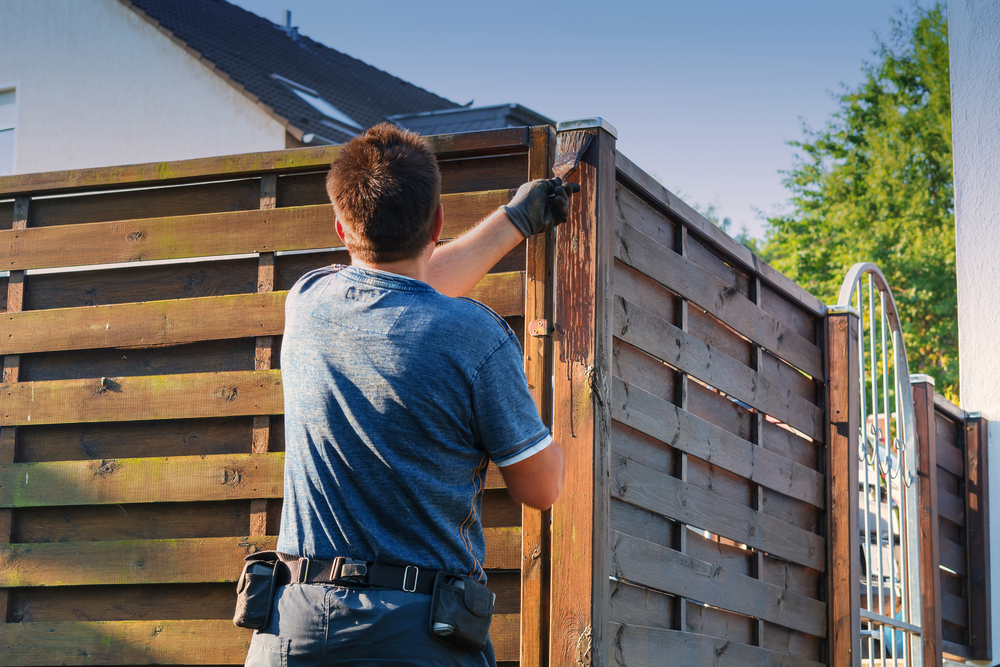
A beautiful wood fence adds privacy, security, and natural character to a Texas Hill Country property. However, the same outdoor conditions that make this region unique can take a toll on untreated wood. Between intense summer sunshine, occasional heavy rainfall, fluctuating humidity, and seasonal temperature changes, wooden fences face constant exposure to elements that can shorten their lifespan.
Custom wood staining and sealing help protect fences from moisture absorption, ultraviolet (UV) damage, discoloration, and premature deterioration. By choosing the right products, preparing the wood correctly, and maintaining the protective finish, property owners can preserve their fences’ appearance and structural integrity for years.
For homeowners throughout the Texas Hill Country, understanding how professional wood staining and sealing work can make a significant difference in long-term fence maintenance.
Why Texas Hill Country Fences Need Extra Protection
Wood fences in the Texas Hill Country need protection because prolonged sun exposure, changing moisture levels, and seasonal storms can gradually weaken unprotected lumber. A properly selected stain and sealer help limit these effects while preserving the natural appearance of the wood.
Several regional conditions make fence protection particularly important:
-
Intense summer sunlight in communities such as Fredericksburg and Kerrville can cause untreated wood to fade, dry out, and develop surface cracks.
-
Heavy thunderstorms throughout the Hill Country can saturate exposed fence boards, increasing the risk of swelling, warping, and moisture-related deterioration.
-
Seasonal humidity changes around Boerne and Comfort can cause wood to repeatedly expand and contract.
-
Properties with limited shade may experience faster finish deterioration because fence surfaces receive direct sunlight for much of the day.
-
Cedar, pine, and other common fencing materials respond differently to weather exposure, making appropriate product selection essential.
At Shelton’s Outback Fence Co., we understand that protecting a wood fence requires more than simply applying a decorative finish. The condition of the lumber, local environmental exposure, and desired appearance all influence the staining and sealing process.
A well-maintained fence can continue complementing a Hill Country landscape while requiring fewer premature repairs.
How Wood Staining Protects Against Sun Damage
Wood staining protects against sun damage by introducing pigments and protective ingredients that reduce the effects of ultraviolet radiation on exposed wood fibers. This protection is especially valuable in the Texas Hill Country, where fences may receive direct sunlight for extended periods throughout the year.
Without adequate protection, UV radiation gradually breaks down lignin, a natural component that helps bind wood fibers together. As this process continues, fence boards may develop a weathered gray appearance, rough surfaces, and weakened outer fibers.
A quality exterior wood stain helps slow this deterioration while enhancing the wood’s natural grain.
Choosing the Right Stain for Your Fence
Different wood stains provide varying levels of color coverage and UV protection.
Transparent stains allow the natural wood grain to remain highly visible but generally provide less UV protection than more heavily pigmented finishes.
Semi-transparent stains offer a balance between natural appearance and protective pigmentation. These products are often appealing for cedar fences and other wood species where homeowners want to preserve visible grain patterns.
Solid-color stains provide greater color coverage and generally stronger UV protection. However, they conceal more of the wood’s natural character and may require different maintenance practices as the coating ages.
The best option depends on the fence material, its existing condition, and the desired finish.
For Hill Country homeowners who appreciate rustic cedar fencing or traditional ranch-style designs, selecting the appropriate stain can help maintain the fence’s character without sacrificing protection.
How Wood Sealing Prevents Moisture Damage
Wood sealing helps prevent moisture damage by reducing the amount of water that penetrates exposed wood surfaces. This protective barrier limits repeated moisture absorption and drying cycles that can contribute to swelling, warping, cracking, and decay.
Although the Texas Hill Country is known for hot, dry periods, thunderstorms can deliver substantial rainfall within a short time.
When unprotected wood absorbs rainwater, its fibers expand. As the fence dries, those fibers contract. Repeated expansion and contraction can gradually affect the shape and condition of fence boards.
Moisture can also create conditions that support fungal decay when wood remains damp for extended periods.
A properly applied water-repellent sealer helps reduce these risks.
Staining vs. Sealing: What’s the Difference?
Wood staining primarily enhances appearance and provides varying levels of UV protection, while sealing focuses on limiting water penetration.
Many modern exterior wood stains contain water-repellent ingredients, allowing a single compatible product to provide both color enhancement and moisture protection.
Not every stain requires a separate sealer. Applying an incompatible topcoat can interfere with penetration, adhesion, or future maintenance.
Before selecting a finish, it is important to consider whether the product is designed for exterior fencing, whether it contains appropriate UV protection, and how well it performs on the specific wood species.
For properties around Kerrville, Fredericksburg, and surrounding rural communities, choosing a compatible staining and sealing system helps protect fences against both prolonged sunshine and sudden rainfall.
Warning Signs Your Wood Fence Needs Staining or Sealing
A wood fence may need staining or sealing when its protective finish begins wearing away, its color changes significantly, or water absorbs readily into the boards. Recognizing these warning signs early allows Hill Country property owners to address deterioration before more extensive repairs become necessary.
Common indicators include:
-
Faded or uneven coloring: Boards that have lost their original color may no longer have adequate protection against UV exposure.
-
Water soaking into the surface: If clean water quickly darkens and penetrates the wood instead of beading on the surface, the water-repellent finish may be deteriorating.
-
Gray or weathered boards: Prolonged sunlight can gradually break down exposed wood fibers, creating a dull, weathered appearance.
-
Small cracks or surface checking: Minor cracks may indicate repeated drying and moisture fluctuations.
-
Rough or splintering surfaces: Exposed fibers can become increasingly brittle as the wood ages.
-
Peeling or flaking finishes: Some film-forming coatings can lose adhesion, particularly when moisture becomes trapped beneath the surface.
-
Dark spots or persistent dampness: Discoloration may indicate mildew, accumulated dirt, or moisture-related problems that require closer inspection.
-
Warped or cupped boards: Changes in board shape may suggest prolonged exposure to moisture fluctuations or other structural concerns.
Not every warning sign means the fence needs replacement. Many fences can benefit from cleaning, surface preparation, and a fresh protective finish when the underlying wood remains sound.
However, severely rotted boards, unstable posts, and damaged structural components should be repaired or replaced before staining.
How Often Should You Stain and Seal a Fence in the Texas Hill Country?
Wood fences in the Texas Hill Country commonly need staining or sealing every two to five years, although the actual maintenance interval depends on the product, wood species, sun exposure, and environmental conditions. Some finishes require more frequent attention, while others may provide longer protection.
Fences exposed to direct afternoon sunlight may show wear sooner than those protected by trees or nearby structures.
Similarly, fences located near irrigation systems, drainage areas, or heavily landscaped spaces may experience greater moisture exposure.
Factors That Influence Maintenance Frequency
The type of wood plays an important role. Cedar naturally contains compounds that contribute to its resistance to certain forms of decay, but it still benefits from protection against UV damage and moisture fluctuations.
Pressure-treated pine may also benefit from staining and sealing once the lumber is sufficiently dry and ready to accept the selected finish.
The quality and type of the previous coating matter as well. Some penetrating stains weather gradually and can be refreshed after appropriate cleaning, while certain surface-forming finishes may require additional preparation.
Homeowners in Boerne, Bandera, and nearby Hill Country communities should inspect their fences at least once a year.
A simple visual inspection after summer or a rainy season can reveal fading, surface cracking, or water absorption before the damage becomes more extensive.
Why Professional Surface Preparation Matters
Proper surface preparation matters because wood stain and sealer must contact a clean, suitable surface to penetrate or adhere correctly. Applying a finish over dirt, mildew, loose coatings, or excessively damp lumber can produce uneven results and reduce the effectiveness of the protection.
Before staining, a fence should be evaluated for structural damage, moisture conditions, and existing coatings.
The preparation process may include cleaning accumulated dirt, removing mildew, addressing loose or deteriorated finishes, and allowing the wood to dry thoroughly.
Some surfaces also benefit from light sanding or other preparation to improve finish consistency.
Avoiding Common Staining Mistakes
One common mistake is applying stain immediately after washing a fence. If the wood has not dried sufficiently, trapped moisture can interfere with the coating’s performance.
Another mistake is applying too much product. Excess stain may remain on the surface instead of penetrating the wood, creating sticky areas, uneven coloring, or premature finish problems.
Weather conditions also influence application.
Extremely hot surfaces can cause certain products to dry too quickly, while rain shortly after application may interfere with curing or water resistance.
For Texas Hill Country properties, planning around high temperatures, direct sunlight, and approaching thunderstorms can improve the likelihood of a consistent finish.
Professional evaluation is particularly helpful when a fence has multiple previous coatings, significant weathering, or a combination of new and older boards.
Custom Wood Staining Enhances Your Property’s Appearance
Custom wood staining enhances a property’s appearance by allowing homeowners to coordinate their fence color with the surrounding landscape, architectural materials, and outdoor living spaces. In the Texas Hill Country, where natural stone, timber accents, and rustic designs are common, the right finish can create a cohesive exterior appearance.
A carefully selected stain can emphasize the natural grain of cedar, complement limestone features, or provide a deeper color that contrasts with surrounding vegetation.
Popular Wood Stain Styles for Hill Country Properties
Natural cedar tones remain a practical choice for homeowners who want to preserve the warmth and texture of wood fencing.
Medium brown finishes can complement ranch-style homes, stone patios, and outdoor entertainment areas.
Darker walnut-inspired colors may create a more dramatic appearance around contemporary homes or properties with contrasting exterior materials.
Weathered gray finishes can also provide a rustic look while offering protective pigmentation, depending on the product selected.
The final appearance depends on the wood species, surface condition, previous treatments, and stain formulation. Testing a small, inconspicuous area before full application helps establish realistic color expectations.
For properties near Fredericksburg, Comfort, and the surrounding countryside, custom staining offers an opportunity to maintain a fence that complements the area’s natural scenery.
Common Local Scenario: Restoring a Weathered Cedar Fence
A common Texas Hill Country fence maintenance scenario involves a cedar privacy fence that has gradually faded after several summers of direct sunlight. Some boards may appear gray, while others retain portions of their original color because of shade or uneven exposure.
After a heavy rainfall, the homeowner may also notice that certain boards absorb water quickly.
If the wood remains structurally sound, the fence may be a suitable candidate for cleaning, surface preparation, and restaining.
The first step is identifying damaged boards, loose fasteners, and any areas showing signs of rot.
Next, the existing finish and wood condition should be evaluated to determine which preparation methods and products are appropriate.
Once the surface is ready, a compatible exterior stain with suitable UV and water-repellent protection can be applied according to the manufacturer’s instructions.
The result is a more consistent appearance and renewed protection against environmental exposure.
This type of maintenance can help extend the useful life of an existing fence without requiring a complete replacement.
Is Professional Wood Staining Worth the Investment?
Professional wood staining can be worth the investment because proper preparation, product selection, and application help reduce premature finish failure and protect the existing fence. For Texas Hill Country homeowners, maintaining a structurally sound fence may be more economical than allowing preventable deterioration to progress.
The overall value depends on the fence’s age, material, condition, and the amount of preparation required.
DIY vs. Professional Fence Staining
DIY staining may be reasonable for smaller fences that are in good condition and have straightforward access.
Homeowners should still understand product compatibility, moisture requirements, surface preparation, and safe application practices.
Professional service becomes especially useful for extensive fence lines, uneven terrain, older coatings, or fences with significant weathering.
Large rural properties may have long stretches of fencing that require consistent application across surfaces exposed to different amounts of sunlight and moisture.
An experienced fence professional can also help determine whether certain sections need repairs before receiving a protective finish.
At Shelton’s Outback Fence Co., we believe the best approach begins with understanding the condition of the fence and selecting a maintenance solution appropriate for the property.
How to Maintain a Stained and Sealed Fence
Maintaining a stained and sealed fence involves regular inspections, gentle cleaning, moisture management, and timely finish renewal. These simple practices help Texas Hill Country property owners preserve the protective coating and identify developing problems before they become expensive repairs.
A practical maintenance routine includes inspecting fence boards for cracks, rot, or loose fasteners and removing accumulated dirt or debris.
Vegetation should be trimmed away when it traps moisture against the wood or prevents adequate airflow.
Sprinklers should also be adjusted to avoid repeatedly soaking fence boards.
When cleaning, use methods and products appropriate for the wood and existing finish. Excessive pressure washing can damage wood fibers and create additional preparation work.
Seasonal Maintenance Tips
Spring is a useful time to inspect fences for damage following winter weather and prepare for warmer conditions.
During summer, monitor surfaces that receive prolonged afternoon sunlight for fading or finish deterioration.
After heavy thunderstorms, check for standing water near fence posts, drainage problems, and debris trapped against boards.
In fall, review the overall condition of the finish and determine whether maintenance should be scheduled before another year of exposure.
These practices are especially helpful for properties throughout Kendall County, Kerr County, and Gillespie County, where terrain, vegetation, and exposure conditions can vary significantly.
Frequently Asked Questions About Wood Fence Staining and Sealing
Does staining a wood fence really make it last longer?
Yes, staining can help extend a wood fence’s useful life by reducing UV-related surface deterioration and, when the product contains suitable water repellents, limiting moisture absorption. However, staining cannot prevent every form of damage. Proper installation, drainage, structural maintenance, and periodic recoating are also necessary.
What is the best stain for cedar fences in the Texas Hill Country?
A high-quality exterior stain designed for cedar and local weather exposure is generally a good choice. Semi-transparent stains are popular for preserving visible wood grain while providing pigmentation for UV protection. The ideal product depends on the fence’s condition, previous coatings, and desired appearance.
Should I stain or seal my fence first?
The correct order depends on the products being used. Many exterior fence stains already contain water-repellent ingredients, eliminating the need for a separate sealer. If separate products are required, they must be compatible and applied according to manufacturer instructions. Applying an unnecessary topcoat can cause finish problems.
Can you stain an old, weathered wood fence in Fredericksburg, TX?
Yes, an older fence in Fredericksburg may be stained if the wood remains structurally sound and can be properly prepared. Cleaning, removing deteriorated coatings, and addressing damaged boards may be necessary. Severely rotted or unstable sections should be repaired or replaced before applying a new protective finish.
How long does fence stain take to dry in Texas weather?
Fence stain drying times vary by product, temperature, humidity, sunlight, and wood moisture content. Some products become dry to the touch within hours, while others require longer before exposure to rain or normal use. Always follow the manufacturer’s stated drying and curing requirements rather than relying on hot weather alone.
Is it better to stain a fence in spring or fall in the Texas Hill Country?
Spring and fall can both provide suitable staining conditions when temperatures, humidity, and rainfall forecasts meet product requirements. Mild weather often makes application easier than extreme summer heat. The most important factors are dry wood, appropriate surface temperatures, and enough rain-free time for the finish to dry or cure.
Can staining prevent a wood fence from rotting?
Staining with an appropriate water-repellent finish can reduce moisture exposure and help lower the risk of moisture-related deterioration. However, it cannot guarantee protection against rot. Wood in prolonged contact with damp soil, standing water, or trapped moisture may still decay despite having a protective coating.
How much does professional fence staining cost in Boerne, TX?
Professional fence staining costs in Boerne depend on fence length, height, wood condition, accessibility, preparation requirements, and the selected finish. A fence requiring extensive cleaning or coating removal will generally cost more than one needing routine maintenance. A property-specific estimate is the most reliable way to determine pricing.
Protect Your Texas Hill Country Fence With Professional Wood Staining and Sealing
Protecting a wood fence in the Texas Hill Country requires the right combination of UV protection, moisture resistance, and ongoing maintenance. Custom staining and sealing can help preserve the appearance of cedar, pine, and other fencing materials while reducing the effects of harsh sunshine and seasonal rainfall.
A well-maintained fence continues providing privacy, defining property boundaries, and contributing to the overall appearance of a home or rural property.
Preserve Your Fence’s Beauty With Shelton’s Outback Fence Co.
Your wood fence deserves protection that complements its natural beauty and the demands of the Texas Hill Country climate. At Shelton’s Outback Fence Co., we understand the importance of maintaining durable, attractive fencing that enhances your property. Contact us to discuss your fence’s condition, explore custom wood staining and sealing options, and learn how the right maintenance approach can help protect your investment for years to come.